Airdrie HVAC
Furnace Installation in Airdrie
Installing a furnace is different from swapping a failed unit in the same footprint. New installations involve load calculation, venting, gas line capacity, condensate handling on high-efficiency equipment, and matching the furnace to the duct system that will actually be in the house. This page is for homeowners planning a first furnace or a system in a renovated space.
Request a quote
Why sizing matters in this climate
Airdrie winters create a large temperature difference between indoor setpoints and outdoor design conditions. An undersized furnace will struggle on the coldest nights. An oversized furnace will short cycle, which wastes fuel and leaves rooms less even.
A proper installation starts with a heating load estimate based on the home’s insulation, windows, air leakage, and layout — not a rule of thumb based only on square footage. Ask for that conversation before you accept a model number.
What a complete install includes
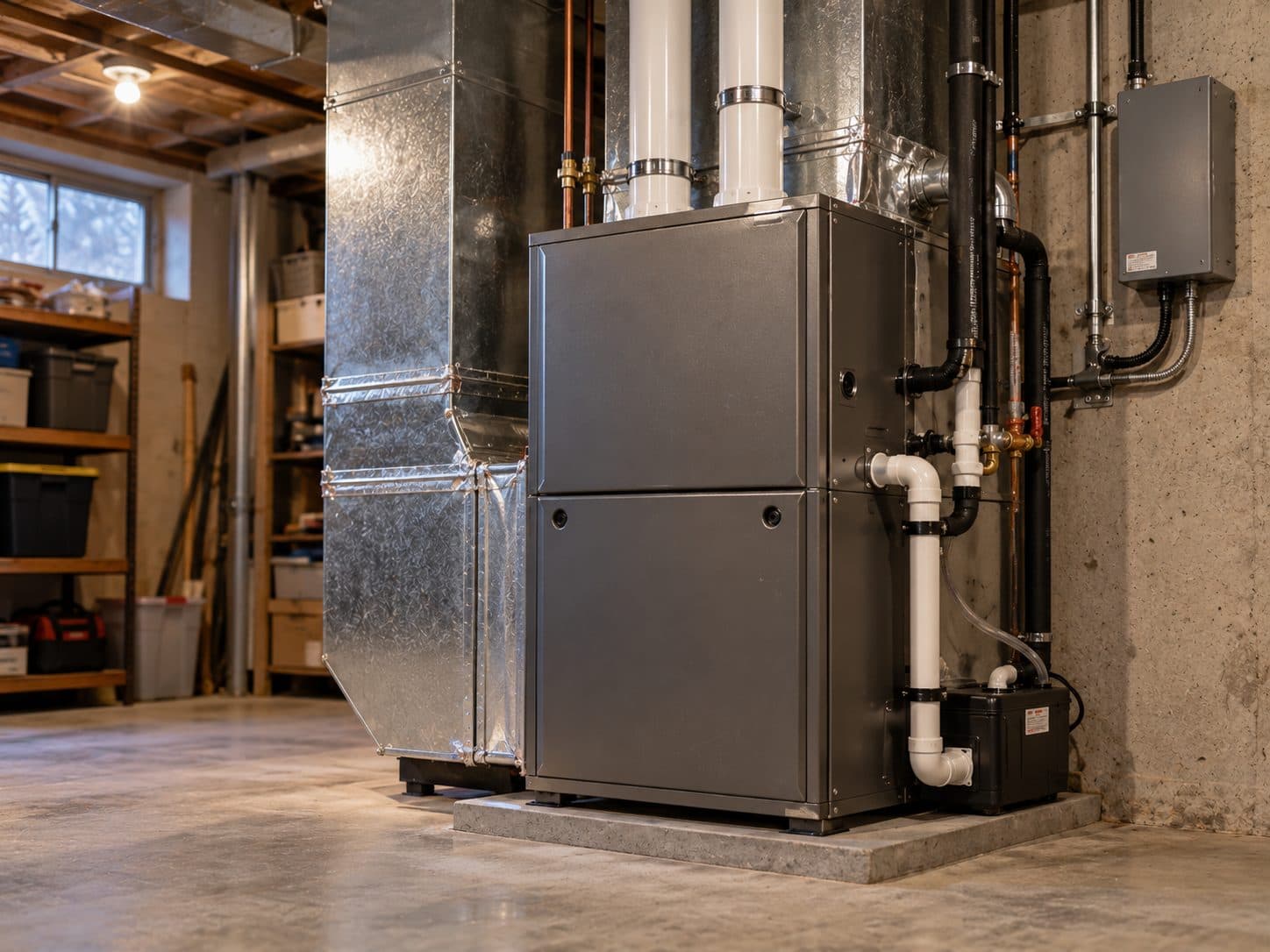
A complete job covers equipment selection, safe gas connection, correct venting and combustion air, electrical connections, thermostat setup, condensate drainage for condensing furnaces, and a commissioning check that confirms temperature rise and safety-switch operation.
Permits and inspections follow municipal and provincial rules. Those requirements should be handled as part of the project rather than left as an afterthought. Permit handling should be listed in the quote.
Installation versus replacement
If you already have a furnace and you are changing it like-for-like, the replacement page is the better match. Installation language is reserved here for new systems, conversions, and work that changes how heat is delivered in the home.
Ready to request this work?
What the installer should leave you with
A commissioned furnace with a measured temperature rise, working safety switches, and a thermostat you can operate.
Clear instructions on filter size and where the condensate goes. Those two items prevent a surprising share of first-winter callbacks.
If the house is new or newly renovated, confirm that duct leakage was not left for “later.” Later rarely arrives before the first January cold snap.
Scope of a typical installation day
A furnace installation is more than setting a new cabinet on the existing platform. The installer has to connect gas, flue or side-wall venting, electrical, condensate on high-efficiency models, the thermostat, and the supply and return collars.
If the old furnace was mid-efficiency, the new condensing unit often needs a drain that did not exist before. If the mechanical room is tight, that drain and the two-pipe venting are the items that turn a short swap into a longer job.
Commissioning at the end — temperature rise, gas pressure, and a safety-switch check — is how you know the installed furnace matches the quote, not only the brochure.
Questions
- Do I need a high-efficiency furnace?
- High-efficiency condensing furnaces are the common choice in new Alberta installations because of efficiency ratings and modern venting. The right AFUE and configuration still depend on the home and the existing or planned ductwork.
- Can a furnace be installed without looking at the ducts?
- It should not be. Duct size, leakage, and return-air path determine whether the new furnace can move the air it is designed to move.
Request heating or cooling help
Call for HVAC help or submit the quote form.